 Previous
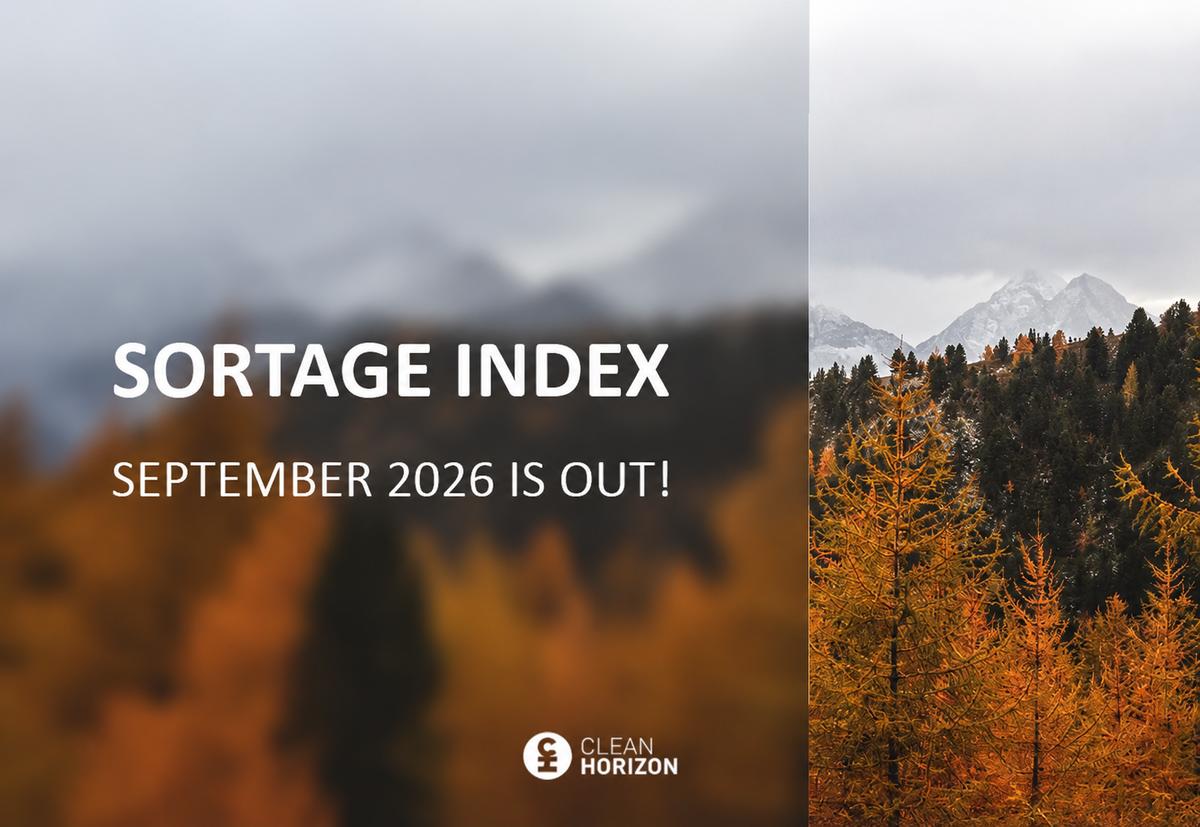
Can battery storage solve curtailment and negative prices in the Nordics?

 October 20, 2026
Clean Horizon delivers the latest snapshot of BESS performance across Europe – clear, concise, and focused on the trends that matter most to developers, investors, and policymakers.
Below is our latest snapshot of regional insights:
In Belgium, a 4-hour battery generated 8% more revenue than in August, reaching 287k€/MW/year. Day-ahead spreads rose by 25.6%, following the German trend (+26.7%). Yet the increase was mainly driven by higher aFRR capacity prices from 6 to 9 €/MW/h (+53.1%), aFRR energy revenues (+9.7 k€/MW/year) and Intraday revenues (+5.7 k€/MW/year). However this trend was counterbalanced by lower FCR and imbalance prices.
The 2h Estonian index reaches €197k/MW/year this month, up 29.6% MoM. This marks the first revenue increase following two consecutive months of decline since June 2026. The rebound is mainly driven by a 16% MoM increase in DA spreads, alongside higher Intraday revenues.
In September, Finnish BESS revenues recovered to levels last seen at the beginning of the year. The 1-hour day-ahead spread rose by 68%, partly reflecting the impact of the scheduled outage of Olkiluoto 3 from September 10 onward.
Revenues for September are at the same level as August, reaching 440 k€/MW/year for a 2-h BESS, driven by very high aFRR capacity prices (71.17 €/MW/h in average) and high FCR prices (24.46 €/MW/h in average), which represent 89% of total revenues. The remainder of the revenue comes from day-ahead, intraday, aFRR, and mFRR energy activation, with the day-ahead component benefiting from a 23.2% increase in spreads.
In Germany, BESS revenues rose by 10% month-on-month in September across all durations. The increase was mainly driven by wider daily spreads on the day-ahead market, as elevated gas costs pushed evening prices up: 20% of quarter-hourly prices exceeded €200/MWh, compared with 3% in September 2025. Upward aFRR capacity prices also increased, particularly for the 16:00–20:00 product, which overlaps with the day-ahead evening peak.
Revenues for September kept increasing with a 18.4% increased for a 2-hour BESS compared to August, reaching a record high of 722 k€/MW/year. This is mainly driven by a high increase in aFRR capacity prices (+45% compared to August) and a relatively smaller increase in accesible spreads on DA (+16%) and aFRR energy (+14%).
Revenues in Romania increased in September 2026 and came back to the leve of revenues of the beginning of the year, the 2-hour reaching 306 k€/MW/year (+71.9% compared to August). The increase was mainly driven by higher day-ahead spreads from 212 to 256 €/MWh (+20.8%).
Revenues for September kept increasing with a 10.8% increased for a 2-hour BESS compared to August, reaching a record high of 562 k€/MW/year. This is mainly driven by an increase in aFRR capacity prices and a smaller increase in accesible spreads on DA and mFRR energy. However, Intraday Continuous prices decreased compared to August, bringing an end to the upward trend observed since May 2026.
Revenues in Sweden SE3 slightly increased by 2,9% in September, the 2h index reaching 142 k€/MW/year. The increase was mainly driven by 32.8% higher day-ahead spreads and 25.7% higher aFRR capacity prices, partly offset by 17.8% lower FCR prices. Three nuclear reactors (roughly 3,3 GW) in SE3 were offline for maintenance in September. Without that baseload, the price depends more on imports from SE2 and on coupling with the continent. That makes it swing between northern hydro prices and gas-set continental prices, which widens spreads.
___________________
For deeper, high-frequency insights, explore the Premium Index – our advanced analytical tool designed to support strategic decisions and maximise storage asset performance.
Contact the Clean Horizon team to learn how the Premium Index can support your energy storage strategies.